BadhBaadin( 00 — start here )
Tech accessibility for climate‑affected communities — closing the gap between life‑saving climate technology and the regions of Somalia most exposed to drought, flood, and food insecurity.
Field record — Somalia · See all 15 photographs →
Time isn't on our side.( closing the gap )
Accessibility is the practice of designing products, systems, and social life so that everyone — regardless of geography, income, or infrastructure — can take part in society and in modernity. Across the world, a significant share of people are shut out from the life‑saving tools and technology built to respond to climate change, simply because those tools were never designed to reach them.
BadhBaadin exists to close that gap for the regions of Somalia affected by drought, flooding, lack of food sovereignty, and increasingly severe El Niño weather conditions.
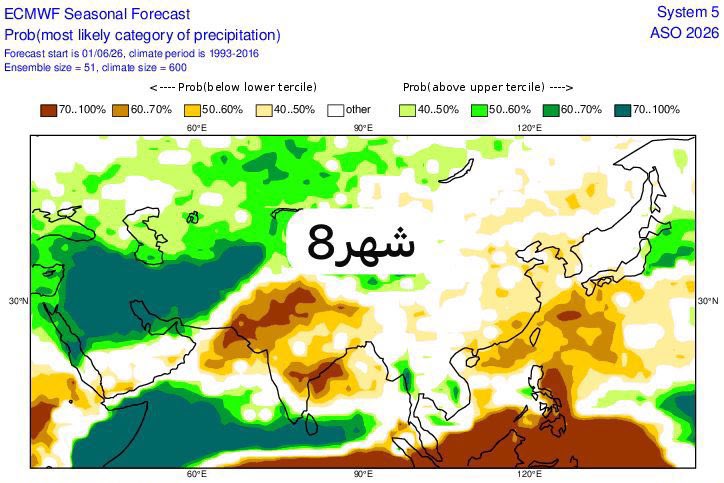
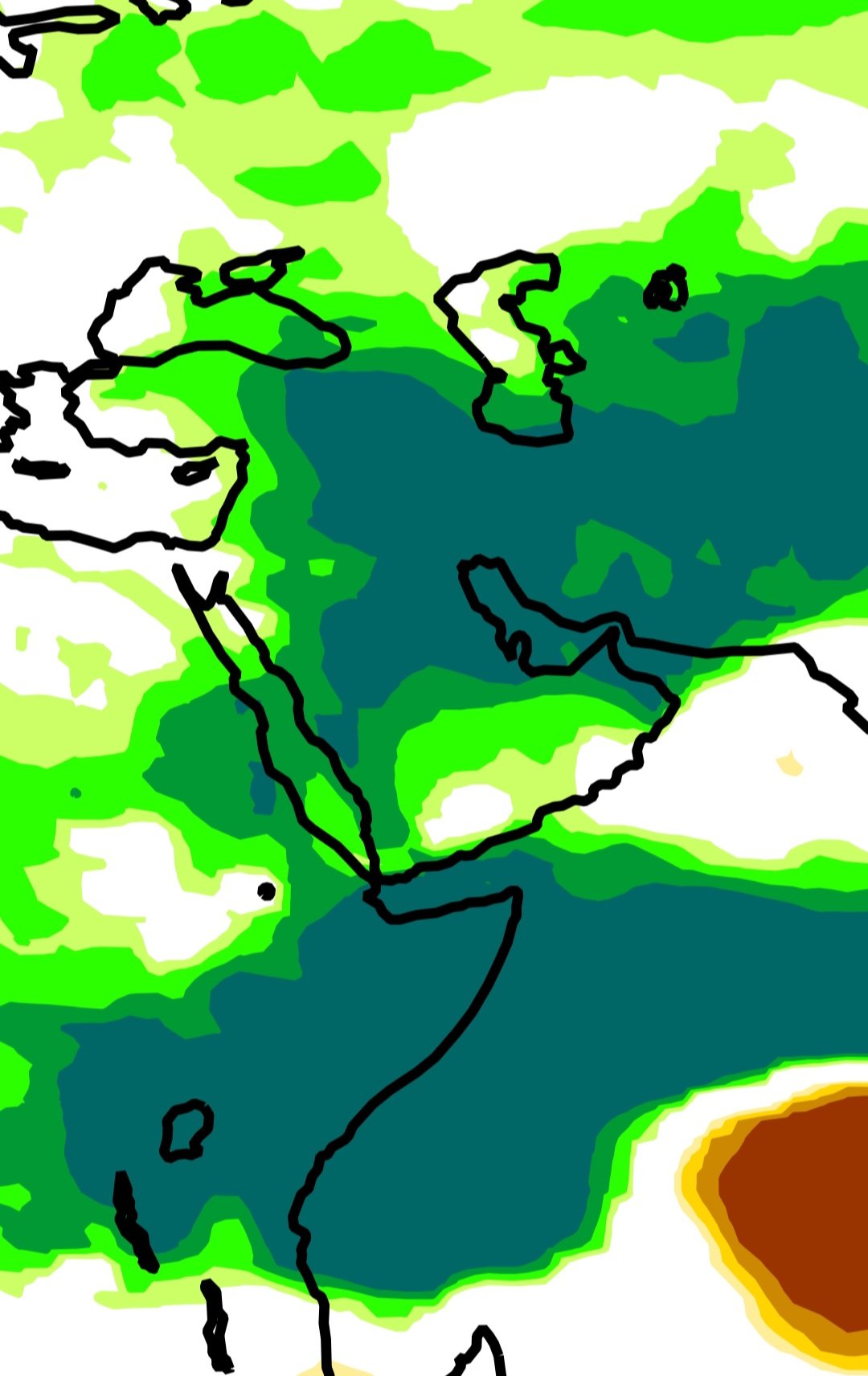
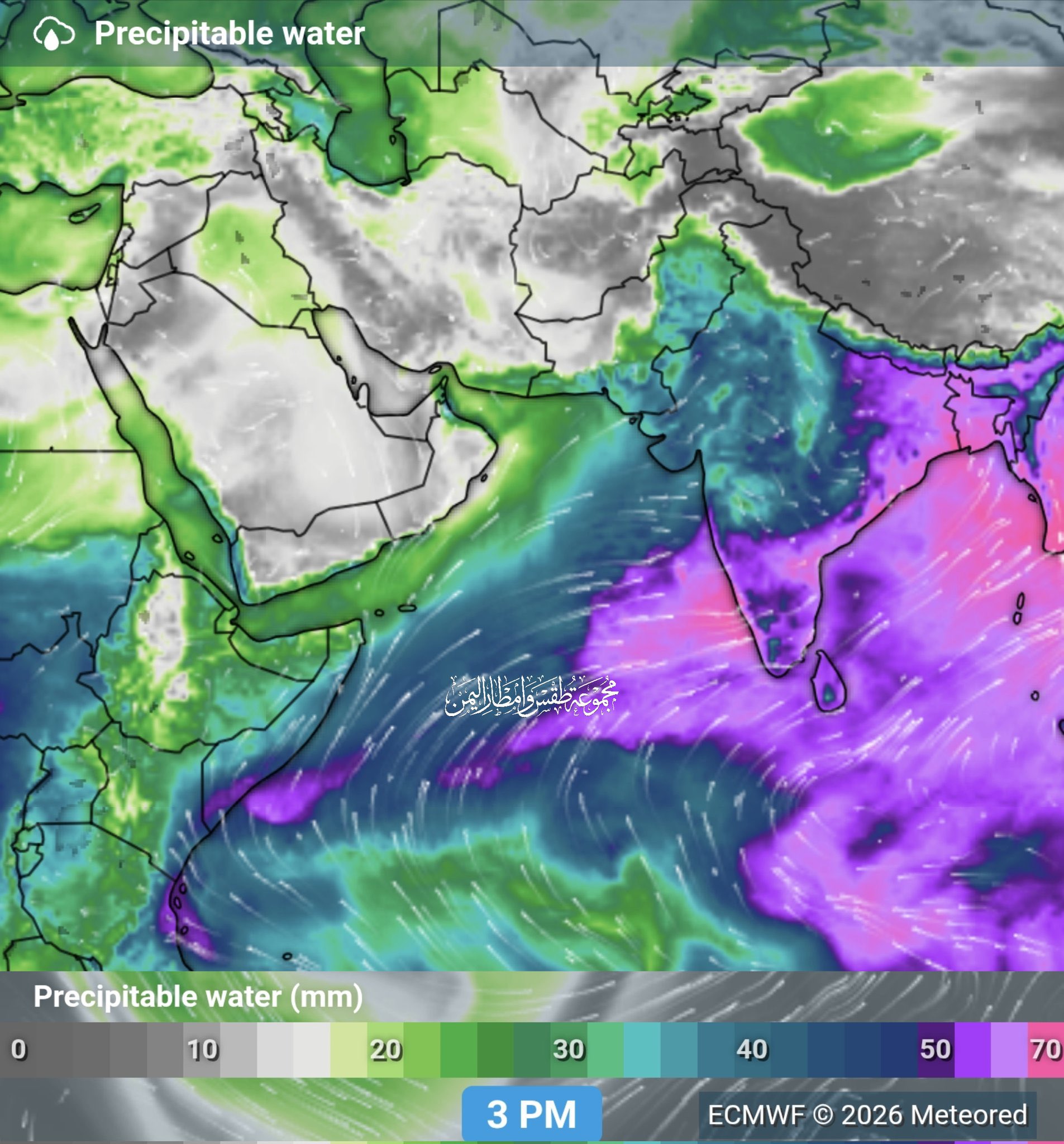
This year matters more than most: 2026 is a super El Niño year, and the region is forecast to see significantly increased rainfall from August through December. Handled well, that rainfall is an opportunity — for rain catchment, for regreening, for replenished water tables. Handled without preparation, it's a threat — flood damage, waterborne disease, and a sharp rise in malaria. Adequate flood defences, water catchment infrastructure, and early‑warning technology are needed now, ahead of the rain, not after it.
BadhBaadin sits at the intersection of AI and hardware technology and the environmental and agricultural challenges facing the region. It was founded out of an unrelenting advocacy for environmental justice for the indigenous communities of the Horn of Africa. Founder Sumaya Hassan is also continuously learning — undertaking courses and research to track the environmental solutions being built elsewhere, so they can be adapted here.
The aim is simple: make the technology already protecting other parts of the world — in hardware and in software — available to the communities most exposed to the climate crisis.
Preparation window: August – December 2026. Time isn't on our side — the region cannot wait for these tools to arrive on their own.
What the models are already saying.
Seasonal forecast data for the Horn of Africa, Aug–Dec 2026 — shown as‑is from the meteorological models tracking this El Niño season.
Hardware and software for the flood season ahead.( early stage )
What we're building toward — early, and built in the open.
| 01 | Using drones to monitor river catchment areas and flooding |
| 02 | Using AI for flood predictions |
| 03 | Investing in smart flood defences |
| 04 | And much more |
The ground itself.( photographed 2026 )
Photographs taken in Somalia. Rivers, dryland, livestock, coast, and the ordinary infrastructure any technology here has to work alongside.
All photographs taken by Sumaya Hassan in Somalia, 2026. Location metadata has been stripped from every file. Captions describe what is shown rather than naming exact places, and identifiable individuals were photographed at a distance in public settings.